- Joined
- May 13, 2025
- Messages
- 1,270
- Reaction score
- 1,679
- Points
- 113
- Age
- 67
- Location
- Charlestown, IN
- Website
- know-the-bible.com
- Gender
- Male
- Country
- United States
This poll is meant to make one thing clear: Bible knowledge, teachers, and study tools may be useful, but they must never sit above the written Word of God.
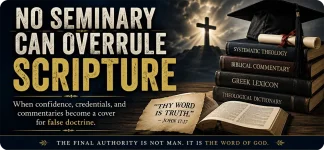
When confidence, credentials, and commentaries become a cover for false doctrine
A man can know the language, quote the teachers, name the schools, carry the credentials, and still be wrong if his doctrine contradicts the plain words of Christ. Bible knowledge is a gift when it bows before God. But when it becomes a shield for pride, it turns dangerous fast. Scripture never tells us to test doctrine by a diploma. It tells us to test everything by the Word of God.
That is where many people get tripped up. They hear someone speak with confidence, use academic terms, mention Greek or Hebrew, cite well-known teachers, or talk about years of study, and suddenly they feel like the issue must be settled. But Scripture does not say, “Believe every educated man.” It says, “Beloved, believe not every spirit, but try the spirits whether they are of God” ~1 John 4:1.
The test is not how educated a man is. The test is whether what he teaches agrees with Scripture.
The Lord Jesus dealt with men who knew the Scriptures outwardly but missed the truth standing right in front of them. He said, “Search the scriptures; for in them ye think ye have eternal life: and they are they which testify of me. And ye will not come to me, that ye might have life” ~John 5:39-40. That is one of the most sobering warnings in the Bible. These men searched the Scriptures, but they refused the Christ to whom the Scriptures pointed.
So yes, a person can study the Bible and still miss the truth. A person can know doctrine, quote passages, and argue theology, yet still resist what God has plainly said.
The scribes and Pharisees are a clear example. They were not ignorant men. They were religiously trained, respected, and confident. Yet Jesus said to them, “Ye do err, not knowing the scriptures, nor the power of God” ~Matthew 22:29. Think about that. These were men who handled Scripture constantly, yet Jesus said they did not truly know the Scriptures.
That should sober every teacher, preacher, forum member, and Bible student.
Paul was highly educated in the religion of his people. He said he was “brought up in this city at the feet of Gamaliel, and taught according to the perfect manner of the law of the fathers” ~Acts 22:3. But before Christ saved him, all that learning did not make him right with God. He was zealous, but wrong. He was confident, but blind. He was religious, but persecuting the church of God.
Later Paul looked back and said, “But what things were gain to me, those I counted loss for Christ” ~Philippians 3:7. His credentials did not save him. His religious training did not justify him. His zeal did not excuse him. Everything had to bow before Christ.
That is the point. Education may be useful, but it is never final. Scripture is final.
The Bereans give us the right example. When Paul preached, they did not accept the message merely because Paul was educated, gifted, or apostolic. Scripture says they “received the word with all readiness of mind, and searched the scriptures daily, whether those things were so” ~Acts 17:11. That is the biblical pattern. Receive the Word seriously, then test the teaching by Scripture.
Not by personality. Not by confidence. Not by degrees. Not by commentaries. Not by how many professors agree. By Scripture.
This matters because false doctrine often does not come dressed like open rebellion. Sometimes it comes dressed in polished language, academic confidence, and claims of superior interpretation. A person may say, “I use the literal method,” but if his conclusion contradicts the plain words of Jesus, then his method has failed. A person may say, “Many teachers confirmed this,” but if Scripture denies it, then those teachers are wrong too.
No group of men can vote false doctrine into truth.
This is especially serious when the gospel is involved. Jesus said, “I am the way, the truth, and the life: no man cometh unto the Father, but by me” ~John 14:6. Peter said, “Neither is there salvation in any other” ~Acts 4:12. John wrote, “He that hath the Son hath life; and he that hath not the Son of God hath not life” ~1 John 5:12. Paul wrote, “For there is one God, and one mediator between God and men, the man Christ Jesus” ~1 Timothy 2:5.
Those verses are not unclear. They do not leave room for a Christ-bypassing path to God. They do not teach that moral sincerity, general belief in God, natural revelation, or non-Christian religion can save a man apart from faith in Jesus Christ. If someone teaches otherwise, he is not offering a deeper interpretation. He is contradicting the gospel.
That is not a minor issue. That is not just a difference of opinion. That is not something to shrug off because a person has education. Paul said, “Though we, or an angel from heaven, preach any other gospel unto you than that which we have preached unto you, let him be accursed” ~Galatians 1:8. If even an angel would be rejected for preaching another gospel, then no seminary credential can protect a man who does the same.
The same danger appears when people make spiritual growth sound mainly powered by human effort. Yes, believers must study. Yes, believers must obey. Yes, believers must grow, repent, learn, and be diligent. Scripture says, “Study to shew thyself approved unto God” ~2 Timothy 2:15. But the believer’s growth is not a human-powered project with God contributing a little and man contributing the rest.
Jesus said, “without me ye can do nothing” ~John 15:5. Paul said, “For it is God which worketh in you both to will and to do of his good pleasure” ~Philippians 2:13. He also wrote, “Not that we are sufficient of ourselves to think any thing as of ourselves; but our sufficiency is of God” ~2 Corinthians 3:5.
That is the balance of Scripture. We are responsible to obey, but God is the One who works in us. We are commanded to grow, but grace is not replaced by self-powered religion. We are to search the Scriptures, but commentaries and teachers never become the final authority.
The danger is not education itself. The danger is pride wearing education like armor.
A humble man with an open Bible is in a safer place than a proud man with a wall full of diplomas. The humble man can be corrected. The proud man keeps explaining why he cannot be wrong.
Scripture warns us plainly: “Knowledge puffeth up, but charity edifieth” ~1 Corinthians 8:1. Knowledge without humility can make a man dangerous. It can make him sharp with words but dull toward truth. It can make him quick to correct others but slow to examine himself. It can make him sound confident while leading people away from what God has said.
We should welcome Bible discussion. We should welcome questions. We should welcome serious study. We should welcome people searching the Scriptures carefully. But we do not bow to credentials, commentaries, or confidence when they conflict with the Word of God.
The question is not, “Where did this man study?” The question is, “What does Scripture say?”
The question is not, “How confident does he sound?” The question is, “Does his doctrine agree with Christ?”
The question is not, “How many teachers back him up?” The question is, “Can this teaching stand before the whole counsel of God?”
No seminary can overrule Scripture. No professor can correct Christ. No commentary can rewrite the gospel. No man’s confidence can turn false doctrine into truth.
Let God be true, and every man a liar. ~Romans 3:4
When confidence, credentials, and commentaries become a cover for false doctrine
A man can know the language, quote the teachers, name the schools, carry the credentials, and still be wrong if his doctrine contradicts the plain words of Christ. Bible knowledge is a gift when it bows before God. But when it becomes a shield for pride, it turns dangerous fast. Scripture never tells us to test doctrine by a diploma. It tells us to test everything by the Word of God.
That is where many people get tripped up. They hear someone speak with confidence, use academic terms, mention Greek or Hebrew, cite well-known teachers, or talk about years of study, and suddenly they feel like the issue must be settled. But Scripture does not say, “Believe every educated man.” It says, “Beloved, believe not every spirit, but try the spirits whether they are of God” ~1 John 4:1.
The test is not how educated a man is. The test is whether what he teaches agrees with Scripture.
The Lord Jesus dealt with men who knew the Scriptures outwardly but missed the truth standing right in front of them. He said, “Search the scriptures; for in them ye think ye have eternal life: and they are they which testify of me. And ye will not come to me, that ye might have life” ~John 5:39-40. That is one of the most sobering warnings in the Bible. These men searched the Scriptures, but they refused the Christ to whom the Scriptures pointed.
So yes, a person can study the Bible and still miss the truth. A person can know doctrine, quote passages, and argue theology, yet still resist what God has plainly said.
The scribes and Pharisees are a clear example. They were not ignorant men. They were religiously trained, respected, and confident. Yet Jesus said to them, “Ye do err, not knowing the scriptures, nor the power of God” ~Matthew 22:29. Think about that. These were men who handled Scripture constantly, yet Jesus said they did not truly know the Scriptures.
That should sober every teacher, preacher, forum member, and Bible student.
Paul was highly educated in the religion of his people. He said he was “brought up in this city at the feet of Gamaliel, and taught according to the perfect manner of the law of the fathers” ~Acts 22:3. But before Christ saved him, all that learning did not make him right with God. He was zealous, but wrong. He was confident, but blind. He was religious, but persecuting the church of God.
Later Paul looked back and said, “But what things were gain to me, those I counted loss for Christ” ~Philippians 3:7. His credentials did not save him. His religious training did not justify him. His zeal did not excuse him. Everything had to bow before Christ.
That is the point. Education may be useful, but it is never final. Scripture is final.
The Bereans give us the right example. When Paul preached, they did not accept the message merely because Paul was educated, gifted, or apostolic. Scripture says they “received the word with all readiness of mind, and searched the scriptures daily, whether those things were so” ~Acts 17:11. That is the biblical pattern. Receive the Word seriously, then test the teaching by Scripture.
Not by personality. Not by confidence. Not by degrees. Not by commentaries. Not by how many professors agree. By Scripture.
This matters because false doctrine often does not come dressed like open rebellion. Sometimes it comes dressed in polished language, academic confidence, and claims of superior interpretation. A person may say, “I use the literal method,” but if his conclusion contradicts the plain words of Jesus, then his method has failed. A person may say, “Many teachers confirmed this,” but if Scripture denies it, then those teachers are wrong too.
No group of men can vote false doctrine into truth.
This is especially serious when the gospel is involved. Jesus said, “I am the way, the truth, and the life: no man cometh unto the Father, but by me” ~John 14:6. Peter said, “Neither is there salvation in any other” ~Acts 4:12. John wrote, “He that hath the Son hath life; and he that hath not the Son of God hath not life” ~1 John 5:12. Paul wrote, “For there is one God, and one mediator between God and men, the man Christ Jesus” ~1 Timothy 2:5.
Those verses are not unclear. They do not leave room for a Christ-bypassing path to God. They do not teach that moral sincerity, general belief in God, natural revelation, or non-Christian religion can save a man apart from faith in Jesus Christ. If someone teaches otherwise, he is not offering a deeper interpretation. He is contradicting the gospel.
That is not a minor issue. That is not just a difference of opinion. That is not something to shrug off because a person has education. Paul said, “Though we, or an angel from heaven, preach any other gospel unto you than that which we have preached unto you, let him be accursed” ~Galatians 1:8. If even an angel would be rejected for preaching another gospel, then no seminary credential can protect a man who does the same.
The same danger appears when people make spiritual growth sound mainly powered by human effort. Yes, believers must study. Yes, believers must obey. Yes, believers must grow, repent, learn, and be diligent. Scripture says, “Study to shew thyself approved unto God” ~2 Timothy 2:15. But the believer’s growth is not a human-powered project with God contributing a little and man contributing the rest.
Jesus said, “without me ye can do nothing” ~John 15:5. Paul said, “For it is God which worketh in you both to will and to do of his good pleasure” ~Philippians 2:13. He also wrote, “Not that we are sufficient of ourselves to think any thing as of ourselves; but our sufficiency is of God” ~2 Corinthians 3:5.
That is the balance of Scripture. We are responsible to obey, but God is the One who works in us. We are commanded to grow, but grace is not replaced by self-powered religion. We are to search the Scriptures, but commentaries and teachers never become the final authority.
The danger is not education itself. The danger is pride wearing education like armor.
A humble man with an open Bible is in a safer place than a proud man with a wall full of diplomas. The humble man can be corrected. The proud man keeps explaining why he cannot be wrong.
Scripture warns us plainly: “Knowledge puffeth up, but charity edifieth” ~1 Corinthians 8:1. Knowledge without humility can make a man dangerous. It can make him sharp with words but dull toward truth. It can make him quick to correct others but slow to examine himself. It can make him sound confident while leading people away from what God has said.
We should welcome Bible discussion. We should welcome questions. We should welcome serious study. We should welcome people searching the Scriptures carefully. But we do not bow to credentials, commentaries, or confidence when they conflict with the Word of God.
The question is not, “Where did this man study?” The question is, “What does Scripture say?”
The question is not, “How confident does he sound?” The question is, “Does his doctrine agree with Christ?”
The question is not, “How many teachers back him up?” The question is, “Can this teaching stand before the whole counsel of God?”
No seminary can overrule Scripture. No professor can correct Christ. No commentary can rewrite the gospel. No man’s confidence can turn false doctrine into truth.
Let God be true, and every man a liar. ~Romans 3:4